Linea crypto explained: what it is and how it works (2026)
Linea crypto explained: what it is and how it works (2026)

Linea crypto explained: what it is and how it works (2026)
Linea crypto explained: what it is and how it works (2026)
Last updated: March 2026
If you've been watching Layer 2 networks, Linea keeps coming up. Built by Consensys (the team behind MetaMask), it's one of the few zkEVM rollups with a live token, a SWIFT partnership, and actual DeFi activity. This guide covers what Linea is, how its technology works, what you can do on it, and whether it deserves a spot in your crypto setup.
Linea is a zkEVM Layer 2 network built by Consensys that settles transactions on Ethereum using zero-knowledge proofs. It processed over 283 million transactions as of early 2026 and holds roughly $97.5 million in TVL, according to DefiLlama. Transaction fees average around $0.0014, roughly 95% cheaper than Ethereum mainnet. Major DeFi protocols including Aave, Uniswap, and Lido are deployed on the network. For earning yield on assets bridged to Linea, compare each protocol's risk profile and fee structure before committing.
Key takeaways
Linea crypto is a zkEVM Layer 2 built by Consensys, using zero-knowledge proofs to settle transactions on Ethereum for a fraction of the cost.
Fees: Average transaction costs around $0.0014, about 95% cheaper than Ethereum mainnet, with a base fee constant at 7 wei.
Token: The LINEA token launched September 10, 2025. 20% of transaction fees are burned in ETH; 80% are used to buy and burn LINEA.
Institutional traction: SWIFT partnered with Linea to test blockchain messaging and settlement, with over 30 major banks including JPMorgan and HSBC involved.
DeFi access: Aave, Uniswap, Curve, Lido, and PancakeSwap all have deployments on Linea.
What is Linea?
Linea is an Ethereum Layer 2 network developed by Consensys, the company that also built MetaMask. It launched its mainnet in 2023 and released its LINEA token in September 2025.
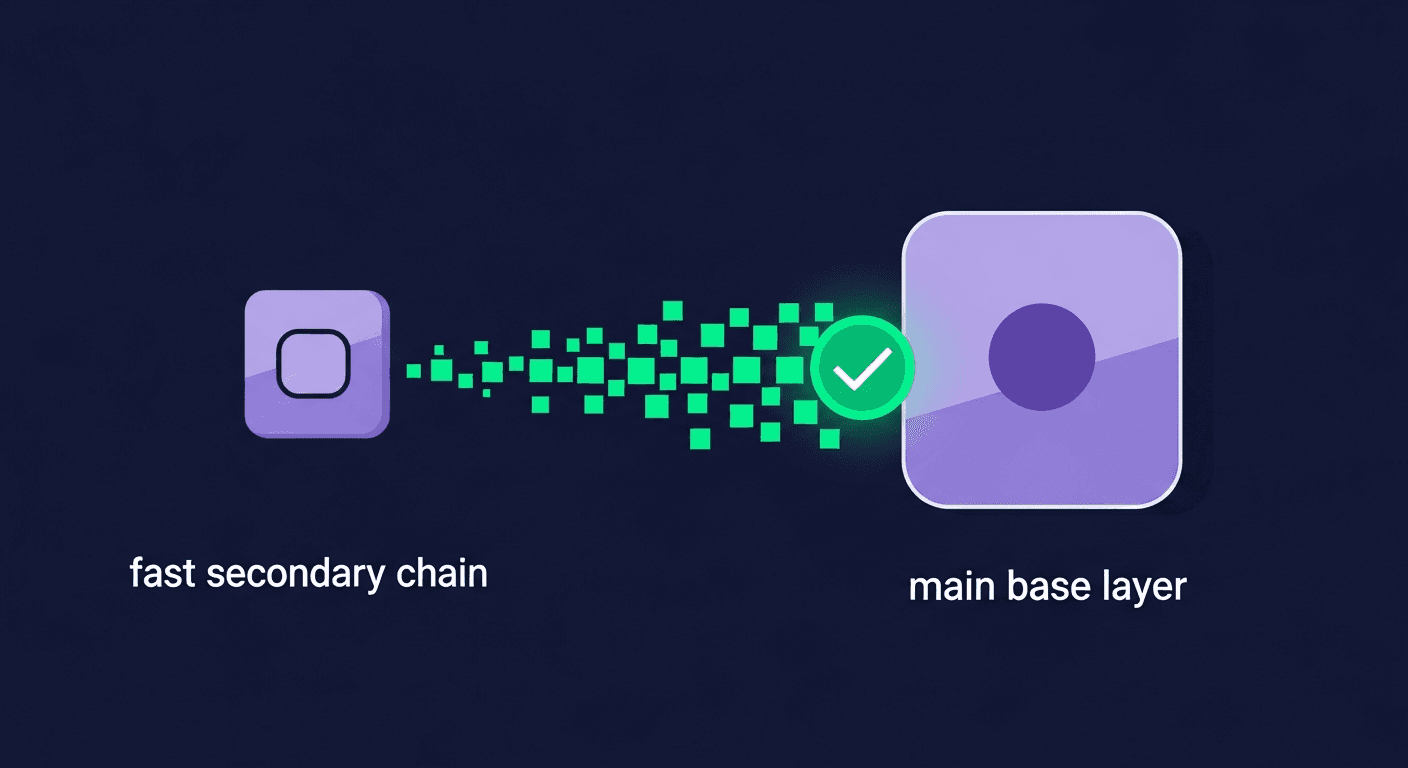
The core idea behind any Layer 2 is straightforward: instead of sending every transaction directly to Ethereum mainnet (expensive and slow during high demand), you process transactions on a separate, faster chain and then post a compact proof back to Ethereum. Linea does this using zero-knowledge proofs, which allows it to confirm thousands of transactions in a single on-chain submission, without the delays of optimistic rollups.
As of early 2026, Linea has processed over 283 million transactions, created more than 7 million wallets, and holds roughly $97.5 million in total value locked (TVL), according to DefiLlama.
How does Linea's zkEVM technology work?
Linea uses a zkEVM, which stands for zero-knowledge Ethereum Virtual Machine. The "EVM" part means it's fully compatible with existing Ethereum smart contracts and developer tools. The "ZK" part means it generates a cryptographic proof for every batch of transactions, and that proof gets verified on Ethereum mainnet.
This is different from optimistic rollups like Arbitrum or Optimism. Optimistic rollups assume transactions are valid and only check them if someone raises a dispute, which requires a 7-day waiting window. ZK rollups verify everything upfront using math, so withdrawals are faster and finality is stronger.
Linea uses a variant of the PLONK proving algorithm to generate these proofs. The proofs are verified by smart contracts on Ethereum, so the security ultimately rests on Ethereum's consensus layer.
The team has a stated roadmap to upgrade to a "Type 1" zkEVM by 2026, which would make Linea's execution environment byte-for-byte identical to Ethereum's, while scaling to 5,000+ transactions per second.
Linea vs other Layer 2 networks
There are several major L2s competing in the same space. Here's how Linea compares on a few dimensions that matter for everyday users:
Network | Technology | TVL (March 2026) | Avg. tx cost | Token |
|---|---|---|---|---|
Linea | zkEVM (Consensys) | ~$97.5M | ~$0.0014 | LINEA (live) |
Arbitrum | Optimistic rollup | ~$2.8B | ~$0.01-0.05 | ARB (live) |
Optimism | Optimistic rollup | ~$1B | ~$0.01-0.03 | OP (live) |
zkSync Era | zkEVM (Matter Labs) | ~$300M | ~$0.003 | ZK (live) |
Base | Optimistic rollup (Coinbase) | ~$3.5B | ~$0.01 | None |
Linea's TVL is smaller than Arbitrum or Base, but it has specific advantages: institutional backing through Consensys, native MetaMask integration, and among the lowest fees of any active L2.
What DeFi can you do on Linea?
Most major DeFi protocols have deployed on Linea. This includes:
Aave for lending and borrowing
Uniswap for token swaps
Curve for stablecoin trading and liquidity
PancakeSwap as an AMM alternative
Lido for liquid ETH staking
EigenLayer for restaking
Gas costs on Linea are low enough that small transactions are actually practical. On Ethereum mainnet, a swap might cost $3-10 during normal conditions. On Linea, the same transaction costs fractions of a cent.
If you're looking to earn yield on assets you hold, the combination of low fees and a growing protocol selection makes Linea worth considering, especially for users who find Ethereum mainnet costs prohibitive for smaller positions. Platforms like Pistachio.fi curate vetted DeFi vaults across Ethereum-based protocols, assigning expert risk grades to each vault so users can compare options without having to audit every contract themselves. Pistachio is a mobile app with a built-in smart wallet, so transactions run completely gasless from the user's perspective.
Earning yield in DeFi?
Pistachio.fi gives you access to curated, expert-graded vaults across top DeFi protocols, completely gasless. Every vault comes with a risk grade, so you're not flying blind. The app includes built-in Awaken.Tax integration for tax reporting. Learn more at pistachio.fi.
The LINEA token and its fee model
The LINEA token launched on September 10, 2025. At launch, 22% of the total supply was in circulation, with the largest allocation (75%) going to the ecosystem fund.
The token has a built-in burn mechanism: 20% of all transaction fees paid in ETH are burned at the protocol level, and the remaining 80% are used to buy and burn LINEA tokens. This creates a direct connection between network activity and token supply reduction.
A token unlock was scheduled for March 10, 2026, which falls just after this article's publication date. Token unlocks typically increase circulating supply and can affect price in the short term, so it's worth watching the tokenomist.ai unlock calendar if you're holding LINEA.
Why SWIFT chose Linea
The most significant external validation Linea has received came from SWIFT, the global banking messaging network that processes trillions in transactions daily.
SWIFT is testing Linea for blockchain-based messaging and stablecoin-style settlement, with over 30 major banks participating including JPMorgan, HSBC, BNP Paribas, and Citibank. The goal is near-real-time cross-border settlement, bypassing the traditional correspondent banking reconciliation layers that make international transfers slow and expensive.
This is significant for two reasons. First, it means Linea's technology has passed scrutiny from institutions with serious compliance and security requirements. Second, if SWIFT's pilot expands to production, Linea could become critical infrastructure for a meaningful slice of global finance.
Is Linea safe?
Linea's security comes from two sources: the mathematical guarantees of ZK proofs, and the audit coverage of its smart contracts.
On the ZK side, every batch of transactions submitted to Ethereum carries a proof generated by Linea's infrastructure. The verifier contracts on Ethereum check this proof before accepting the state update. If the proof is invalid, the update is rejected. This makes it mathematically impossible to post fraudulent transactions without detection.
On the audit side, Linea's verifier contracts, bridge, and V2 infrastructure have been audited by OpenZeppelin and Veridise. In March 2025, Linea integrated Phylax Systems' Credible Layer technology, which monitors smart contracts for exploit conditions and can halt suspicious activity before funds are drained.
The team also plans a multi-prover model where Linea is secured by multiple independent proving systems (including TEEs and zkVMs), rather than a single prover. This removes the single-point-of-failure risk common to early ZK infrastructure.
That said, L2 bridges remain one of the higher-risk components in DeFi. If you're bridging significant value, it's worth reading Pistachio's security guide for practical tips on protecting assets across chains.
How to bridge to Linea
The most straightforward way to bridge assets to Linea is through MetaMask Portfolio, which uses Li.Fi aggregation to find competitive bridge rates.
Go to bridge.linea.build or open MetaMask Portfolio
Connect your wallet and select Ethereum as the source network
Select Linea Mainnet as the destination
Choose your token and amount
Review the rate and fee quote, then confirm the transaction
Bridge times using the native bridge typically take about 20 minutes for deposits. Withdrawals from Linea back to Ethereum are faster than optimistic rollup withdrawals (no 7-day wait) because ZK proofs provide immediate finality on the Linea side, though the Ethereum finalization step adds a short delay.
For larger amounts, compare bridge rates across Jumper and Bungee before committing. Rates and fee structures vary.
Frequently asked questions
What is Linea crypto?
Linea is an Ethereum Layer 2 network built by Consensys, the company behind MetaMask. It uses zero-knowledge proofs (zkEVM) to batch transactions and post proofs to Ethereum, reducing fees by about 95% compared to mainnet. Its native token, LINEA, launched in September 2025.
Is Linea crypto safe?
Linea inherits Ethereum's security guarantees through ZK proof verification. Its smart contracts have been audited by OpenZeppelin and Veridise, and it integrates Phylax Systems' exploit-prevention technology. As with any L2, bridge contracts carry inherent smart contract risk, so avoid bridging more than you're comfortable losing to on-chain failure.
How is Linea different from Arbitrum or Optimism?
Arbitrum and Optimism use optimistic rollups, which assume transactions are valid and require a 7-day dispute window for withdrawals. Linea uses ZK proofs that mathematically verify every batch, giving faster finality and stronger security guarantees. The tradeoff historically was higher proof-generation costs, though Linea's 2025 Alpha v2 upgrade cut gas costs by an additional 66%.
Does Linea have a token?
Yes. The LINEA token launched September 10, 2025. 20% of transaction fees are burned in ETH at the protocol level; 80% are used to buy and burn LINEA. A notable token unlock was scheduled for March 10, 2026.
How do I earn yield on Linea?
Aave, Lido, and Curve all have deployments on Linea. You can lend assets on Aave, provide liquidity on Curve, or use liquid staking through Lido. For a curated view of vetted yield options across DeFi with risk grades attached, Pistachio.fi aggregates top vaults in a mobile app with built-in smart wallet and no gas costs for users. You can also check our guide on passive income crypto strategies for 2026 for a broader breakdown of approaches.
Last updated: March 2026
If you've been watching Layer 2 networks, Linea keeps coming up. Built by Consensys (the team behind MetaMask), it's one of the few zkEVM rollups with a live token, a SWIFT partnership, and actual DeFi activity. This guide covers what Linea is, how its technology works, what you can do on it, and whether it deserves a spot in your crypto setup.
Linea is a zkEVM Layer 2 network built by Consensys that settles transactions on Ethereum using zero-knowledge proofs. It processed over 283 million transactions as of early 2026 and holds roughly $97.5 million in TVL, according to DefiLlama. Transaction fees average around $0.0014, roughly 95% cheaper than Ethereum mainnet. Major DeFi protocols including Aave, Uniswap, and Lido are deployed on the network. For earning yield on assets bridged to Linea, compare each protocol's risk profile and fee structure before committing.
Key takeaways
Linea crypto is a zkEVM Layer 2 built by Consensys, using zero-knowledge proofs to settle transactions on Ethereum for a fraction of the cost.
Fees: Average transaction costs around $0.0014, about 95% cheaper than Ethereum mainnet, with a base fee constant at 7 wei.
Token: The LINEA token launched September 10, 2025. 20% of transaction fees are burned in ETH; 80% are used to buy and burn LINEA.
Institutional traction: SWIFT partnered with Linea to test blockchain messaging and settlement, with over 30 major banks including JPMorgan and HSBC involved.
DeFi access: Aave, Uniswap, Curve, Lido, and PancakeSwap all have deployments on Linea.
What is Linea?
Linea is an Ethereum Layer 2 network developed by Consensys, the company that also built MetaMask. It launched its mainnet in 2023 and released its LINEA token in September 2025.
The core idea behind any Layer 2 is straightforward: instead of sending every transaction directly to Ethereum mainnet (expensive and slow during high demand), you process transactions on a separate, faster chain and then post a compact proof back to Ethereum. Linea does this using zero-knowledge proofs, which allows it to confirm thousands of transactions in a single on-chain submission, without the delays of optimistic rollups.
As of early 2026, Linea has processed over 283 million transactions, created more than 7 million wallets, and holds roughly $97.5 million in total value locked (TVL), according to DefiLlama.
How does Linea's zkEVM technology work?
Linea uses a zkEVM, which stands for zero-knowledge Ethereum Virtual Machine. The "EVM" part means it's fully compatible with existing Ethereum smart contracts and developer tools. The "ZK" part means it generates a cryptographic proof for every batch of transactions, and that proof gets verified on Ethereum mainnet.
This is different from optimistic rollups like Arbitrum or Optimism. Optimistic rollups assume transactions are valid and only check them if someone raises a dispute, which requires a 7-day waiting window. ZK rollups verify everything upfront using math, so withdrawals are faster and finality is stronger.
Linea uses a variant of the PLONK proving algorithm to generate these proofs. The proofs are verified by smart contracts on Ethereum, so the security ultimately rests on Ethereum's consensus layer.
The team has a stated roadmap to upgrade to a "Type 1" zkEVM by 2026, which would make Linea's execution environment byte-for-byte identical to Ethereum's, while scaling to 5,000+ transactions per second.
Linea vs other Layer 2 networks
There are several major L2s competing in the same space. Here's how Linea compares on a few dimensions that matter for everyday users:
Network | Technology | TVL (March 2026) | Avg. tx cost | Token |
|---|---|---|---|---|
Linea | zkEVM (Consensys) | ~$97.5M | ~$0.0014 | LINEA (live) |
Arbitrum | Optimistic rollup | ~$2.8B | ~$0.01-0.05 | ARB (live) |
Optimism | Optimistic rollup | ~$1B | ~$0.01-0.03 | OP (live) |
zkSync Era | zkEVM (Matter Labs) | ~$300M | ~$0.003 | ZK (live) |
Base | Optimistic rollup (Coinbase) | ~$3.5B | ~$0.01 | None |
Linea's TVL is smaller than Arbitrum or Base, but it has specific advantages: institutional backing through Consensys, native MetaMask integration, and among the lowest fees of any active L2.
What DeFi can you do on Linea?
Most major DeFi protocols have deployed on Linea. This includes:
Aave for lending and borrowing
Uniswap for token swaps
Curve for stablecoin trading and liquidity
PancakeSwap as an AMM alternative
Lido for liquid ETH staking
EigenLayer for restaking
Gas costs on Linea are low enough that small transactions are actually practical. On Ethereum mainnet, a swap might cost $3-10 during normal conditions. On Linea, the same transaction costs fractions of a cent.
If you're looking to earn yield on assets you hold, the combination of low fees and a growing protocol selection makes Linea worth considering, especially for users who find Ethereum mainnet costs prohibitive for smaller positions. Platforms like Pistachio.fi curate vetted DeFi vaults across Ethereum-based protocols, assigning expert risk grades to each vault so users can compare options without having to audit every contract themselves. Pistachio is a mobile app with a built-in smart wallet, so transactions run completely gasless from the user's perspective.
Earning yield in DeFi?
Pistachio.fi gives you access to curated, expert-graded vaults across top DeFi protocols, completely gasless. Every vault comes with a risk grade, so you're not flying blind. The app includes built-in Awaken.Tax integration for tax reporting. Learn more at pistachio.fi.
The LINEA token and its fee model
The LINEA token launched on September 10, 2025. At launch, 22% of the total supply was in circulation, with the largest allocation (75%) going to the ecosystem fund.
The token has a built-in burn mechanism: 20% of all transaction fees paid in ETH are burned at the protocol level, and the remaining 80% are used to buy and burn LINEA tokens. This creates a direct connection between network activity and token supply reduction.
A token unlock was scheduled for March 10, 2026, which falls just after this article's publication date. Token unlocks typically increase circulating supply and can affect price in the short term, so it's worth watching the tokenomist.ai unlock calendar if you're holding LINEA.
Why SWIFT chose Linea
The most significant external validation Linea has received came from SWIFT, the global banking messaging network that processes trillions in transactions daily.
SWIFT is testing Linea for blockchain-based messaging and stablecoin-style settlement, with over 30 major banks participating including JPMorgan, HSBC, BNP Paribas, and Citibank. The goal is near-real-time cross-border settlement, bypassing the traditional correspondent banking reconciliation layers that make international transfers slow and expensive.
This is significant for two reasons. First, it means Linea's technology has passed scrutiny from institutions with serious compliance and security requirements. Second, if SWIFT's pilot expands to production, Linea could become critical infrastructure for a meaningful slice of global finance.
Is Linea safe?
Linea's security comes from two sources: the mathematical guarantees of ZK proofs, and the audit coverage of its smart contracts.
On the ZK side, every batch of transactions submitted to Ethereum carries a proof generated by Linea's infrastructure. The verifier contracts on Ethereum check this proof before accepting the state update. If the proof is invalid, the update is rejected. This makes it mathematically impossible to post fraudulent transactions without detection.
On the audit side, Linea's verifier contracts, bridge, and V2 infrastructure have been audited by OpenZeppelin and Veridise. In March 2025, Linea integrated Phylax Systems' Credible Layer technology, which monitors smart contracts for exploit conditions and can halt suspicious activity before funds are drained.
The team also plans a multi-prover model where Linea is secured by multiple independent proving systems (including TEEs and zkVMs), rather than a single prover. This removes the single-point-of-failure risk common to early ZK infrastructure.
That said, L2 bridges remain one of the higher-risk components in DeFi. If you're bridging significant value, it's worth reading Pistachio's security guide for practical tips on protecting assets across chains.
How to bridge to Linea
The most straightforward way to bridge assets to Linea is through MetaMask Portfolio, which uses Li.Fi aggregation to find competitive bridge rates.
Go to bridge.linea.build or open MetaMask Portfolio
Connect your wallet and select Ethereum as the source network
Select Linea Mainnet as the destination
Choose your token and amount
Review the rate and fee quote, then confirm the transaction
Bridge times using the native bridge typically take about 20 minutes for deposits. Withdrawals from Linea back to Ethereum are faster than optimistic rollup withdrawals (no 7-day wait) because ZK proofs provide immediate finality on the Linea side, though the Ethereum finalization step adds a short delay.
For larger amounts, compare bridge rates across Jumper and Bungee before committing. Rates and fee structures vary.
Frequently asked questions
What is Linea crypto?
Linea is an Ethereum Layer 2 network built by Consensys, the company behind MetaMask. It uses zero-knowledge proofs (zkEVM) to batch transactions and post proofs to Ethereum, reducing fees by about 95% compared to mainnet. Its native token, LINEA, launched in September 2025.
Is Linea crypto safe?
Linea inherits Ethereum's security guarantees through ZK proof verification. Its smart contracts have been audited by OpenZeppelin and Veridise, and it integrates Phylax Systems' exploit-prevention technology. As with any L2, bridge contracts carry inherent smart contract risk, so avoid bridging more than you're comfortable losing to on-chain failure.
How is Linea different from Arbitrum or Optimism?
Arbitrum and Optimism use optimistic rollups, which assume transactions are valid and require a 7-day dispute window for withdrawals. Linea uses ZK proofs that mathematically verify every batch, giving faster finality and stronger security guarantees. The tradeoff historically was higher proof-generation costs, though Linea's 2025 Alpha v2 upgrade cut gas costs by an additional 66%.
Does Linea have a token?
Yes. The LINEA token launched September 10, 2025. 20% of transaction fees are burned in ETH at the protocol level; 80% are used to buy and burn LINEA. A notable token unlock was scheduled for March 10, 2026.
How do I earn yield on Linea?
Aave, Lido, and Curve all have deployments on Linea. You can lend assets on Aave, provide liquidity on Curve, or use liquid staking through Lido. For a curated view of vetted yield options across DeFi with risk grades attached, Pistachio.fi aggregates top vaults in a mobile app with built-in smart wallet and no gas costs for users. You can also check our guide on passive income crypto strategies for 2026 for a broader breakdown of approaches.
Cross-chain crypto swaps: how Li.Fi powers Pistachio's one-tap zaps (2026)

Etherfuse stablebonds: earn government bond yields on-chain (2026)
How to earn money online in 2026 (crypto yield vs. the rest)
Linea crypto explained: what it is and how it works (2026)
Ethereum wallet guide 2026 (ethernet wallet explained)
DeFi Staking with Stader Labs: How ETHx Works in 2026

High-liquidity crypto exchanges: PancakeSwap guide 2026
What is Raydium? How Solana's AMM Works in 2026
Passive Income Ideas for 2026: 10 Ways That Actually Work

Hong Kong crypto news 2026: licenses, stablecoins, and regulation
©2026 Derechos de autor, PistachioFi Inc.
©2026 Derechos de autor, PistachioFi Inc.
©2026 Derechos de autor, PistachioFi Inc.