Best Crypto Credit Cards 2026: 5 Cards Compared
Best Crypto Credit Cards 2026: 5 Cards Compared

Best Crypto Credit Cards 2026: 5 Cards Compared
Best Crypto Credit Cards 2026: 5 Cards Compared

Crypto debit and credit cards have quietly become useful. The first generation was clunky: you had to pre-load fiat, deal with high conversion fees, and hand your crypto to a centralized exchange. The 2026 generation is different. Four of the top five cards now let you keep your own keys while spending at any Visa or Mastercard terminal worldwide.
The catch is that these cards aren't interchangeable. Some earn you wETH cashback. Others pay in Bitcoin or a points token you can't value yet. Some let your collateral earn DeFi yield while you spend against it. Others charge 2.49% every time you swipe with a non-stablecoin balance.
The best crypto cards in 2026 split into two camps: self-custodial cards like EtherFi Cash, MetaMask Card, Tuyo, and Gnosis Pay that let you hold your own keys until the moment of purchase, and custodial cards like Coinbase that handle everything through an exchange account. EtherFi leads on cashback and DeFi yield integration, Coinbase wins on simplicity and mainstream trust, and Gnosis Pay offers the purest on-chain experience for European users. Annual fees range from $0 to $199 depending on tier and card.
Key takeaways
Self-custody is the new default. Four of the top five crypto cards let you hold your own keys. Coinbase is the only fully custodial option left in the top tier.
EtherFi Cash leads with 2-3% wETH cashback, zero annual fees, and collateral that keeps earning staking yield while you spend.
DeFi yield while spending is the real differentiator. EtherFi, Tuyo, and MetaMask all let you earn yield on holdings that back your card.
Watch the conversion fees. Coinbase charges 2.49% on non-stablecoin spending. EtherFi and Gnosis Pay charge nothing. This alone can cost hundreds per year.
Geography matters. Gnosis Pay is EU-only. EtherFi covers 31 US states. MetaMask reaches 49 states. Check availability before getting excited.
How do crypto credit cards actually work?
Every crypto card converts your holdings to local fiat at the point of sale. The differences are in when, how, and at what cost that conversion happens.
Self-custodial cards (EtherFi, Tuyo, Gnosis Pay, MetaMask) keep your crypto in your own wallet until you tap the card. A smart contract or authorized transfer pulls the exact amount needed at the moment of purchase. Your keys, your coins, right up until you buy coffee.
Custodial cards (Coinbase) hold your crypto on the exchange. When you swipe, Coinbase sells the crypto from your account, converts to fiat, and completes the transaction. Simpler, but you're trusting the exchange with your assets.
The credit card twist: EtherFi and the Coinbase One Amex card function more like actual credit cards. EtherFi lets you borrow against staked ETH collateral, so you never need to sell. Coinbase One works like a traditional credit card with Bitcoin rewards instead of airline miles.
The 5 best crypto cards compared
Feature | EtherFi Cash | Tuyo | Coinbase | Gnosis Pay | MetaMask |
|---|---|---|---|---|---|
Network | Visa Signature | Visa | Visa / Amex | Visa | Mastercard |
Self-custody | Yes | Yes | No | Yes | Yes |
Cashback | 2-3% in wETH | TUYO points | 1-4% in BTC | 1-5% in GNO | 1-3% in mUSD |
Annual fee | $0 | $0 | $0* | $0 (+~$33 issuance) | $0 / $199 Metal |
Conversion fee | 0% | 0% | 2.49%** | 0% | Gas only |
FX fee | 1% | ~1% | 0% | 0% | 0% |
Yield while spending | Yes (staking) | Yes (vaults) | No | No | Yes (Aave) |
US available | 31 states | Yes | Yes | No (EU only) | 49 states |
Daily limit | App-managed | Up to $200K | $2,500 | ~$8,700 | Tier-based |
*Coinbase One card requires membership at $4.99/mo or $49.99/yr. **2.49% applies to non-stablecoin spending. USDC spending is free.
Card-by-card breakdown
1. EtherFi Cash
EtherFi's card is the most interesting of the bunch because it solves the problem most crypto holders actually have: wanting to spend without selling. You post staked ETH (eETH or weETH) as collateral, and the card lets you borrow against it. Your collateral keeps earning staking yield the whole time. It's closer to a secured credit line than a traditional debit card.
The 2-3% cashback in wETH is competitive with the best traditional rewards cards, and there's no annual fee at any tier. EtherFi processed $55.4 million in card spending in 2025, the largest volume among Visa-issued blockchain project cards tracked that year. Physical cards started shipping in January 2026.
The 1% FX fee on non-USD transactions is the main downside. If you travel internationally or spend in euros regularly, that adds up. And it's only available in 31 US states right now, so check coverage before applying.
Best for: ETH holders who want to spend without unstaking and earn yield on their collateral.
2. Tuyo
Tuyo takes a simpler approach. It's a self-custodial Visa debit card that spends USDC on Base. Deposit crypto on any major chain, the app converts it to USDC on Base for free, and that's your spending balance. Private keys never leave your device.
The standout feature is Tuyo's spending limits. Tiered access goes up to $200,000 per day, which dwarfs every other card on this list. If you're moving serious volume through a card, nothing else comes close. The app also offers Earn vaults with up to 11% APY on USDC, so your idle spending balance can generate yield.
The downsides: no ATM support yet, no physical card yet, and the rewards structure is a points system tied to a future TUYO token airdrop rather than straightforward cashback. You're betting on an unreleased token.
Best for: High-volume spenders who want self-custody and massive daily limits.
3. Coinbase Card
Coinbase actually offers two products now. The original debit card lets you spend any crypto in your Coinbase account with up to 4% back in rotating crypto rewards. The newer Coinbase One card (launched fall 2025) is an American Express credit card that earns 2-4% back in Bitcoin, tiered by how much you hold on Coinbase.
The debit card's biggest weakness is the 2.49% conversion fee on anything that isn't USDC or USD. If you spend $10,000 a year in Bitcoin, that's $249 in fees before you earn a cent of cashback. The workaround: keep a USDC balance and spend that at 0% conversion.
What Coinbase has over every other option is trust and reach. It's a publicly traded, US-regulated exchange with 120 million verified users. Your parents can use this card. Nobody needs to explain smart contracts or self-custody. For people who want crypto rewards without crypto complexity, it's still the default.
Best for: Mainstream crypto users who value simplicity and regulatory trust over self-custody.
4. Gnosis Pay
Gnosis Pay is the most technically pure self-custody card. Your funds sit in a Gnosis Safe on Gnosis Chain, and they stay there until the exact moment a merchant settlement pulls them on-chain. No intermediary ever holds your crypto. It's auditable, transparent, and as close to "your money, your rules" as a Visa card can get.
The cashback tiers go up to 5% if you hold GNO tokens and have an OG NFT, though most users will land in the 1-3% range. The card also includes an Estonian IBAN, which means you can receive salary payments and SEPA transfers directly into your on-chain wallet. For European users, this turns a crypto card into a full banking replacement.
The limitation is geographic: EU only for now. Gnosis Pay has processed over $100 million in lifetime card volume, all from European users. US expansion is planned but has no confirmed date.
Best for: European DeFi users who want the purest on-chain self-custody experience.
5. MetaMask Card
MetaMask launched its Mastercard across 49 US states in February 2026, making it the widest-coverage self-custody card in America. It spends directly from your MetaMask wallet via a smart contract on Linea (MetaMask's own L2). The conversion happens just-in-time at the point of sale.
Two tiers: a free virtual card with 1% cashback in mUSD (a stablecoin from Bridge/Stripe), or a $199/year metal card with 3% on the first $10,000 spent. The metal card also includes travel perks and exclusive event access. The Aave integration is worth noting: qualifying balances in Aave can earn yield while remaining spendable through the card.
MetaMask has the largest potential user base of any card here, with over 30 million monthly active wallet users. Whether they'll actually activate cards at scale remains to be seen. The $199 metal tier is expensive compared to EtherFi's $0-for-everything approach.
Best for: MetaMask wallet users who want a one-tap card without switching ecosystems.
What should you actually look for in a crypto card?
The comparison table matters less than matching the card to how you actually spend. Here's what separates a good pick from a bad one:
Conversion fees eat your cashback. A 2% cashback card with a 2.49% conversion fee is a net negative. If you're spending non-stablecoin crypto, prioritize cards with zero conversion fees (EtherFi, Gnosis Pay, Tuyo) or keep a stablecoin balance on Coinbase to avoid the hit.
Cashback tokens matter. wETH cashback (EtherFi) is immediately useful in DeFi. GNO cashback (Gnosis Pay) ties you to a specific ecosystem. TUYO points have no market value yet. BTC cashback (Coinbase) is the simplest hold. Think about whether you want to use your rewards or just hold them.
Self-custody is a feature, not a requirement. If you sleep better knowing Coinbase handles security and you don't need to manage keys, the custodial tradeoff is worth it. If you've been burned by exchange collapses (FTX, Celsius, Voyager), self-custody cards let you spend without ever giving up control.
If you're already earning yield through DeFi protocols, tools like Pistachio.fi pair well with these cards. You can earn staking yield through curated vaults with expert risk grades and zero gas fees, then spend the earnings through whichever card fits your setup. The combination of passive yield plus a low-fee card is where crypto finance starts to outperform traditional banking.
What about a Pistachio card?
We're working on it. A Pistachio.fi card that lets you spend directly from your yield-earning vaults, with the same zero-gas-fee, self-custodial approach the platform is built on. Think of it as EtherFi's yield-while-spending model applied to a broader range of DeFi strategies, not just staked ETH.
No launch date to announce yet. But the crypto card market is clearly moving toward self-custody and DeFi integration, and that's exactly what Pistachio is built for. When it launches, you'll be able to manage your passive income strategy and your spending card from the same place, with Awaken.Tax integration handling the tax reporting for both.
Start earning yield while you wait for the card
Curated vaults. Expert risk grades. Zero gas fees.
Frequently asked questions
Are crypto credit cards safe to use?
Self-custodial cards (EtherFi, Tuyo, Gnosis Pay, MetaMask) keep your crypto in your own wallet until you spend. Your risk exposure is limited to the amount you choose to make available. Custodial cards (Coinbase) carry exchange risk, meaning your funds are only as safe as the exchange itself. All five cards on this list require full KYC and operate on Visa or Mastercard networks with standard fraud protections.
Which crypto card has the best cashback?
EtherFi Cash offers the best combination of cashback rate and usability: 2-3% back in wETH with no annual fee and no conversion fee. Gnosis Pay can reach 5% in GNO, but requires holding significant GNO tokens and is EU-only. Coinbase One offers up to 4% in BTC but requires a paid membership and holding large balances on the exchange.
Do I have to sell my crypto to use a crypto card?
Not necessarily. EtherFi Cash lets you borrow against staked ETH collateral without selling. Your crypto keeps earning yield while you spend against it. Other self-custodial cards (Tuyo, Gnosis Pay, MetaMask) convert the exact amount at the point of sale, so you only "sell" what you spend. Coinbase also auto-converts only the purchase amount from your chosen asset.
What fees should I watch out for?
Conversion fees are the hidden cost. Coinbase charges 2.49% on non-stablecoin spending, which negates most of its cashback. Foreign transaction fees range from 0% (Coinbase, Gnosis Pay, MetaMask) to 1% (EtherFi, Tuyo). Annual fees are $0 on most cards except MetaMask's metal tier ($199/yr). Always check whether your preferred spending currency incurs conversion charges.
Can I earn yield while using a crypto card?
Yes, on three of the five cards. EtherFi Cash lets your staked ETH collateral earn restaking yield while backing your spending. Tuyo offers up to 11% APY on USDC through in-app Earn vaults. MetaMask integrates with Aave so qualifying balances earn DeFi yield while remaining spendable. Coinbase and Gnosis Pay do not offer yield on card-linked funds.
Last updated: March 2026
Crypto debit and credit cards have quietly become useful. The first generation was clunky: you had to pre-load fiat, deal with high conversion fees, and hand your crypto to a centralized exchange. The 2026 generation is different. Four of the top five cards now let you keep your own keys while spending at any Visa or Mastercard terminal worldwide.
The catch is that these cards aren't interchangeable. Some earn you wETH cashback. Others pay in Bitcoin or a points token you can't value yet. Some let your collateral earn DeFi yield while you spend against it. Others charge 2.49% every time you swipe with a non-stablecoin balance.
The best crypto cards in 2026 split into two camps: self-custodial cards like EtherFi Cash, MetaMask Card, Tuyo, and Gnosis Pay that let you hold your own keys until the moment of purchase, and custodial cards like Coinbase that handle everything through an exchange account. EtherFi leads on cashback and DeFi yield integration, Coinbase wins on simplicity and mainstream trust, and Gnosis Pay offers the purest on-chain experience for European users. Annual fees range from $0 to $199 depending on tier and card.
Key takeaways
Self-custody is the new default. Four of the top five crypto cards let you hold your own keys. Coinbase is the only fully custodial option left in the top tier.
EtherFi Cash leads with 2-3% wETH cashback, zero annual fees, and collateral that keeps earning staking yield while you spend.
DeFi yield while spending is the real differentiator. EtherFi, Tuyo, and MetaMask all let you earn yield on holdings that back your card.
Watch the conversion fees. Coinbase charges 2.49% on non-stablecoin spending. EtherFi and Gnosis Pay charge nothing. This alone can cost hundreds per year.
Geography matters. Gnosis Pay is EU-only. EtherFi covers 31 US states. MetaMask reaches 49 states. Check availability before getting excited.
How do crypto credit cards actually work?
Every crypto card converts your holdings to local fiat at the point of sale. The differences are in when, how, and at what cost that conversion happens.
Self-custodial cards (EtherFi, Tuyo, Gnosis Pay, MetaMask) keep your crypto in your own wallet until you tap the card. A smart contract or authorized transfer pulls the exact amount needed at the moment of purchase. Your keys, your coins, right up until you buy coffee.
Custodial cards (Coinbase) hold your crypto on the exchange. When you swipe, Coinbase sells the crypto from your account, converts to fiat, and completes the transaction. Simpler, but you're trusting the exchange with your assets.
The credit card twist: EtherFi and the Coinbase One Amex card function more like actual credit cards. EtherFi lets you borrow against staked ETH collateral, so you never need to sell. Coinbase One works like a traditional credit card with Bitcoin rewards instead of airline miles.
The 5 best crypto cards compared
Feature | EtherFi Cash | Tuyo | Coinbase | Gnosis Pay | MetaMask |
|---|---|---|---|---|---|
Network | Visa Signature | Visa | Visa / Amex | Visa | Mastercard |
Self-custody | Yes | Yes | No | Yes | Yes |
Cashback | 2-3% in wETH | TUYO points | 1-4% in BTC | 1-5% in GNO | 1-3% in mUSD |
Annual fee | $0 | $0 | $0* | $0 (+~$33 issuance) | $0 / $199 Metal |
Conversion fee | 0% | 0% | 2.49%** | 0% | Gas only |
FX fee | 1% | ~1% | 0% | 0% | 0% |
Yield while spending | Yes (staking) | Yes (vaults) | No | No | Yes (Aave) |
US available | 31 states | Yes | Yes | No (EU only) | 49 states |
Daily limit | App-managed | Up to $200K | $2,500 | ~$8,700 | Tier-based |
*Coinbase One card requires membership at $4.99/mo or $49.99/yr. **2.49% applies to non-stablecoin spending. USDC spending is free.
Card-by-card breakdown
1. EtherFi Cash
EtherFi's card is the most interesting of the bunch because it solves the problem most crypto holders actually have: wanting to spend without selling. You post staked ETH (eETH or weETH) as collateral, and the card lets you borrow against it. Your collateral keeps earning staking yield the whole time. It's closer to a secured credit line than a traditional debit card.
The 2-3% cashback in wETH is competitive with the best traditional rewards cards, and there's no annual fee at any tier. EtherFi processed $55.4 million in card spending in 2025, the largest volume among Visa-issued blockchain project cards tracked that year. Physical cards started shipping in January 2026.
The 1% FX fee on non-USD transactions is the main downside. If you travel internationally or spend in euros regularly, that adds up. And it's only available in 31 US states right now, so check coverage before applying.
Best for: ETH holders who want to spend without unstaking and earn yield on their collateral.
2. Tuyo
Tuyo takes a simpler approach. It's a self-custodial Visa debit card that spends USDC on Base. Deposit crypto on any major chain, the app converts it to USDC on Base for free, and that's your spending balance. Private keys never leave your device.
The standout feature is Tuyo's spending limits. Tiered access goes up to $200,000 per day, which dwarfs every other card on this list. If you're moving serious volume through a card, nothing else comes close. The app also offers Earn vaults with up to 11% APY on USDC, so your idle spending balance can generate yield.
The downsides: no ATM support yet, no physical card yet, and the rewards structure is a points system tied to a future TUYO token airdrop rather than straightforward cashback. You're betting on an unreleased token.
Best for: High-volume spenders who want self-custody and massive daily limits.
3. Coinbase Card
Coinbase actually offers two products now. The original debit card lets you spend any crypto in your Coinbase account with up to 4% back in rotating crypto rewards. The newer Coinbase One card (launched fall 2025) is an American Express credit card that earns 2-4% back in Bitcoin, tiered by how much you hold on Coinbase.
The debit card's biggest weakness is the 2.49% conversion fee on anything that isn't USDC or USD. If you spend $10,000 a year in Bitcoin, that's $249 in fees before you earn a cent of cashback. The workaround: keep a USDC balance and spend that at 0% conversion.
What Coinbase has over every other option is trust and reach. It's a publicly traded, US-regulated exchange with 120 million verified users. Your parents can use this card. Nobody needs to explain smart contracts or self-custody. For people who want crypto rewards without crypto complexity, it's still the default.
Best for: Mainstream crypto users who value simplicity and regulatory trust over self-custody.
4. Gnosis Pay
Gnosis Pay is the most technically pure self-custody card. Your funds sit in a Gnosis Safe on Gnosis Chain, and they stay there until the exact moment a merchant settlement pulls them on-chain. No intermediary ever holds your crypto. It's auditable, transparent, and as close to "your money, your rules" as a Visa card can get.
The cashback tiers go up to 5% if you hold GNO tokens and have an OG NFT, though most users will land in the 1-3% range. The card also includes an Estonian IBAN, which means you can receive salary payments and SEPA transfers directly into your on-chain wallet. For European users, this turns a crypto card into a full banking replacement.
The limitation is geographic: EU only for now. Gnosis Pay has processed over $100 million in lifetime card volume, all from European users. US expansion is planned but has no confirmed date.
Best for: European DeFi users who want the purest on-chain self-custody experience.
5. MetaMask Card
MetaMask launched its Mastercard across 49 US states in February 2026, making it the widest-coverage self-custody card in America. It spends directly from your MetaMask wallet via a smart contract on Linea (MetaMask's own L2). The conversion happens just-in-time at the point of sale.
Two tiers: a free virtual card with 1% cashback in mUSD (a stablecoin from Bridge/Stripe), or a $199/year metal card with 3% on the first $10,000 spent. The metal card also includes travel perks and exclusive event access. The Aave integration is worth noting: qualifying balances in Aave can earn yield while remaining spendable through the card.
MetaMask has the largest potential user base of any card here, with over 30 million monthly active wallet users. Whether they'll actually activate cards at scale remains to be seen. The $199 metal tier is expensive compared to EtherFi's $0-for-everything approach.
Best for: MetaMask wallet users who want a one-tap card without switching ecosystems.
What should you actually look for in a crypto card?
The comparison table matters less than matching the card to how you actually spend. Here's what separates a good pick from a bad one:
Conversion fees eat your cashback. A 2% cashback card with a 2.49% conversion fee is a net negative. If you're spending non-stablecoin crypto, prioritize cards with zero conversion fees (EtherFi, Gnosis Pay, Tuyo) or keep a stablecoin balance on Coinbase to avoid the hit.
Cashback tokens matter. wETH cashback (EtherFi) is immediately useful in DeFi. GNO cashback (Gnosis Pay) ties you to a specific ecosystem. TUYO points have no market value yet. BTC cashback (Coinbase) is the simplest hold. Think about whether you want to use your rewards or just hold them.
Self-custody is a feature, not a requirement. If you sleep better knowing Coinbase handles security and you don't need to manage keys, the custodial tradeoff is worth it. If you've been burned by exchange collapses (FTX, Celsius, Voyager), self-custody cards let you spend without ever giving up control.
If you're already earning yield through DeFi protocols, tools like Pistachio.fi pair well with these cards. You can earn staking yield through curated vaults with expert risk grades and zero gas fees, then spend the earnings through whichever card fits your setup. The combination of passive yield plus a low-fee card is where crypto finance starts to outperform traditional banking.
What about a Pistachio card?
We're working on it. A Pistachio.fi card that lets you spend directly from your yield-earning vaults, with the same zero-gas-fee, self-custodial approach the platform is built on. Think of it as EtherFi's yield-while-spending model applied to a broader range of DeFi strategies, not just staked ETH.
No launch date to announce yet. But the crypto card market is clearly moving toward self-custody and DeFi integration, and that's exactly what Pistachio is built for. When it launches, you'll be able to manage your passive income strategy and your spending card from the same place, with Awaken.Tax integration handling the tax reporting for both.
Start earning yield while you wait for the card
Curated vaults. Expert risk grades. Zero gas fees.
Frequently asked questions
Are crypto credit cards safe to use?
Self-custodial cards (EtherFi, Tuyo, Gnosis Pay, MetaMask) keep your crypto in your own wallet until you spend. Your risk exposure is limited to the amount you choose to make available. Custodial cards (Coinbase) carry exchange risk, meaning your funds are only as safe as the exchange itself. All five cards on this list require full KYC and operate on Visa or Mastercard networks with standard fraud protections.
Which crypto card has the best cashback?
EtherFi Cash offers the best combination of cashback rate and usability: 2-3% back in wETH with no annual fee and no conversion fee. Gnosis Pay can reach 5% in GNO, but requires holding significant GNO tokens and is EU-only. Coinbase One offers up to 4% in BTC but requires a paid membership and holding large balances on the exchange.
Do I have to sell my crypto to use a crypto card?
Not necessarily. EtherFi Cash lets you borrow against staked ETH collateral without selling. Your crypto keeps earning yield while you spend against it. Other self-custodial cards (Tuyo, Gnosis Pay, MetaMask) convert the exact amount at the point of sale, so you only "sell" what you spend. Coinbase also auto-converts only the purchase amount from your chosen asset.
What fees should I watch out for?
Conversion fees are the hidden cost. Coinbase charges 2.49% on non-stablecoin spending, which negates most of its cashback. Foreign transaction fees range from 0% (Coinbase, Gnosis Pay, MetaMask) to 1% (EtherFi, Tuyo). Annual fees are $0 on most cards except MetaMask's metal tier ($199/yr). Always check whether your preferred spending currency incurs conversion charges.
Can I earn yield while using a crypto card?
Yes, on three of the five cards. EtherFi Cash lets your staked ETH collateral earn restaking yield while backing your spending. Tuyo offers up to 11% APY on USDC through in-app Earn vaults. MetaMask integrates with Aave so qualifying balances earn DeFi yield while remaining spendable. Coinbase and Gnosis Pay do not offer yield on card-linked funds.
Last updated: March 2026

Cross-chain crypto swaps: how Li.Fi powers Pistachio's one-tap zaps (2026)

Etherfuse stablebonds: earn government bond yields on-chain (2026)
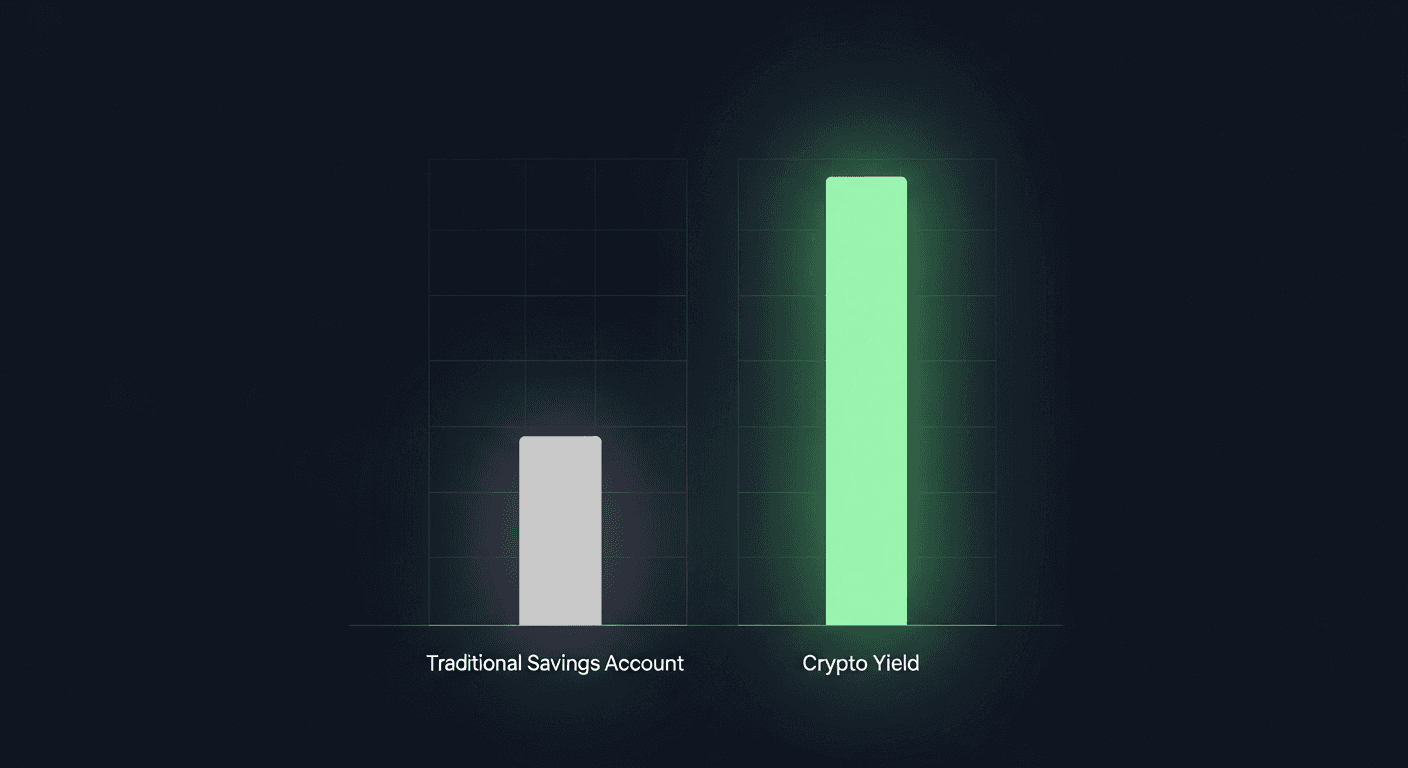
How to earn money online in 2026 (crypto yield vs. the rest)
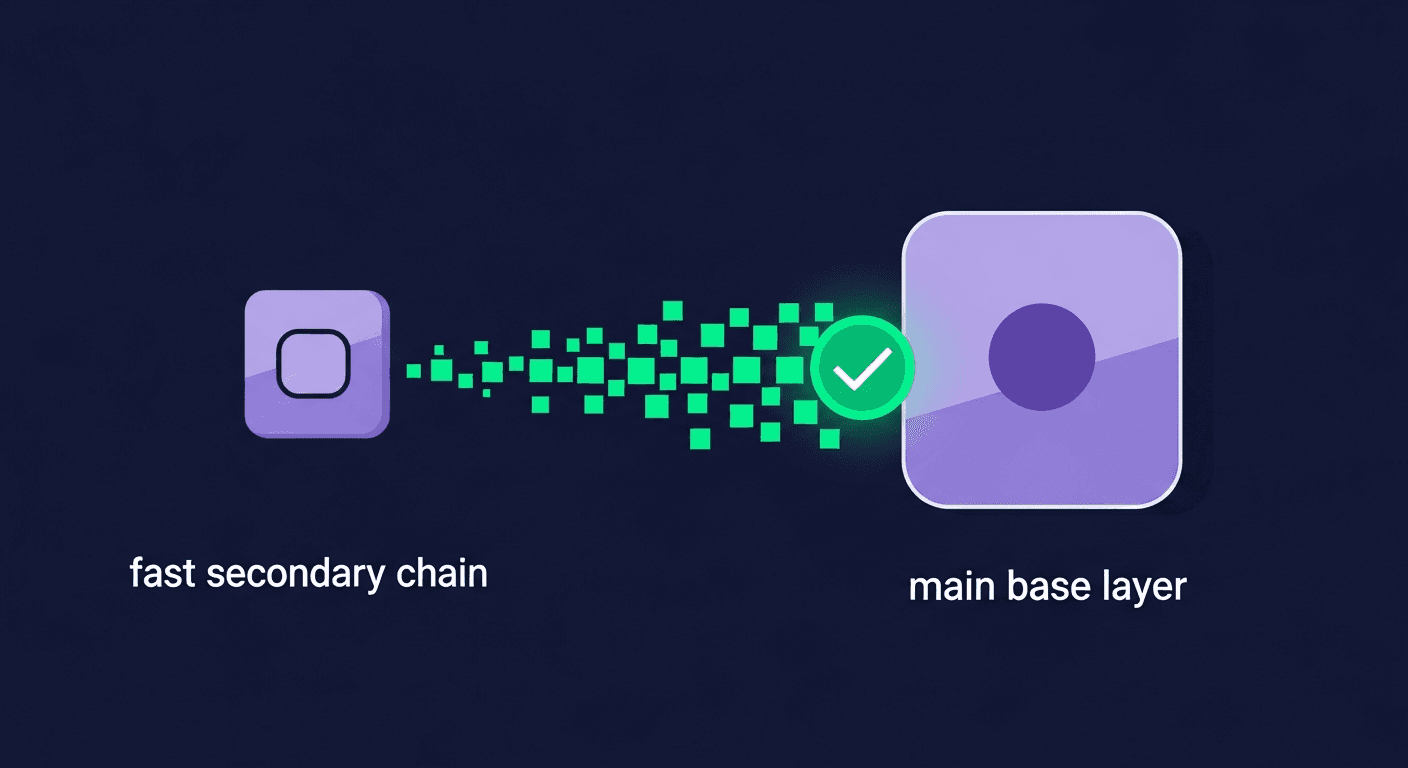
Linea crypto explained: what it is and how it works (2026)
Ethereum wallet guide 2026 (ethernet wallet explained)
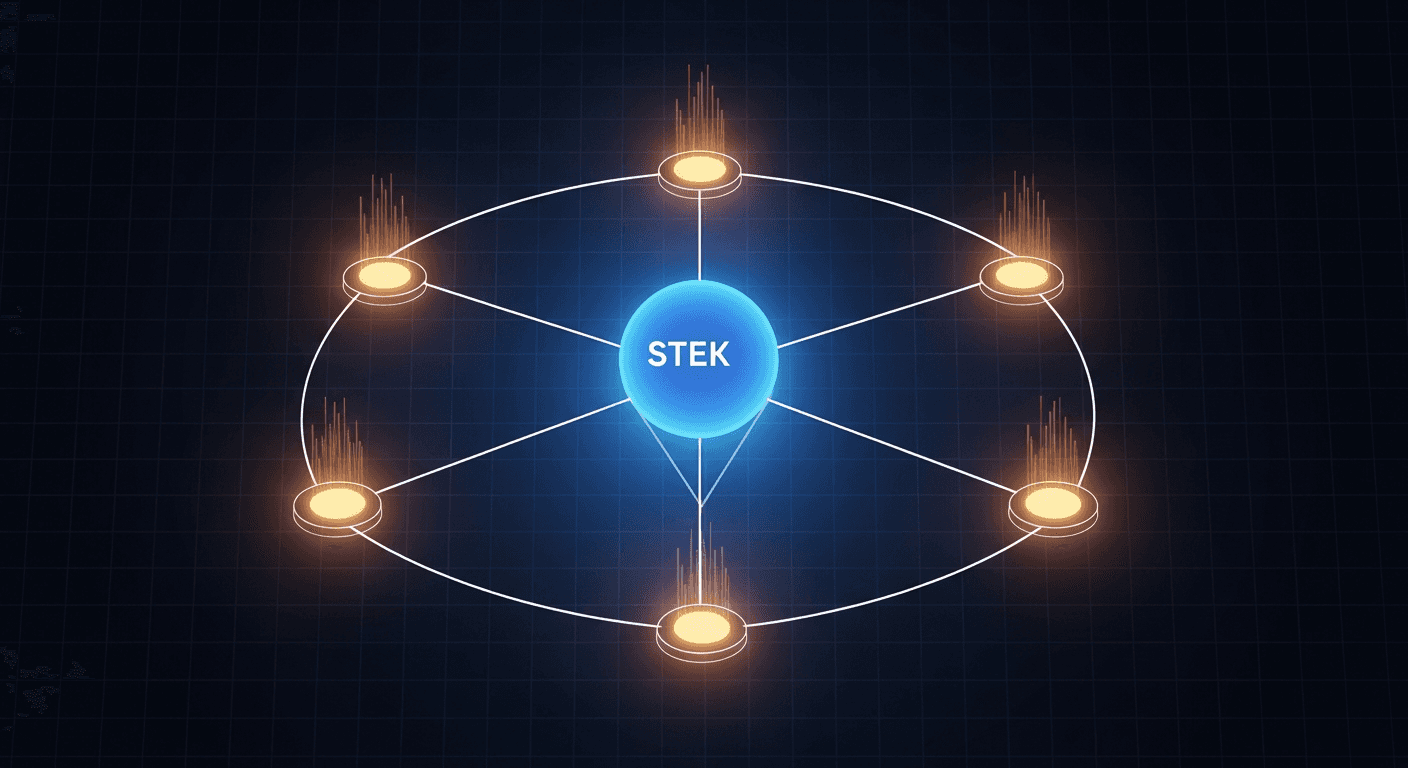
DeFi Staking with Stader Labs: How ETHx Works in 2026

High-liquidity crypto exchanges: PancakeSwap guide 2026

What is Raydium? How Solana's AMM Works in 2026

Passive Income Ideas for 2026: 10 Ways That Actually Work

Hong Kong crypto news 2026: licenses, stablecoins, and regulation
©2026 Copyright, PistachioFi Inc.
©2026 Copyright, PistachioFi Inc.
©2026 Copyright, PistachioFi Inc.