Ethereum Staking Yield 2026: Complete Guide (2-3% APY)
Ethereum Staking Yield 2026: Complete Guide (2-3% APY)

Ethereum Staking Yield 2026: Complete Guide (2-3% APY)
Ethereum Staking Yield 2026: Complete Guide (2-3% APY)
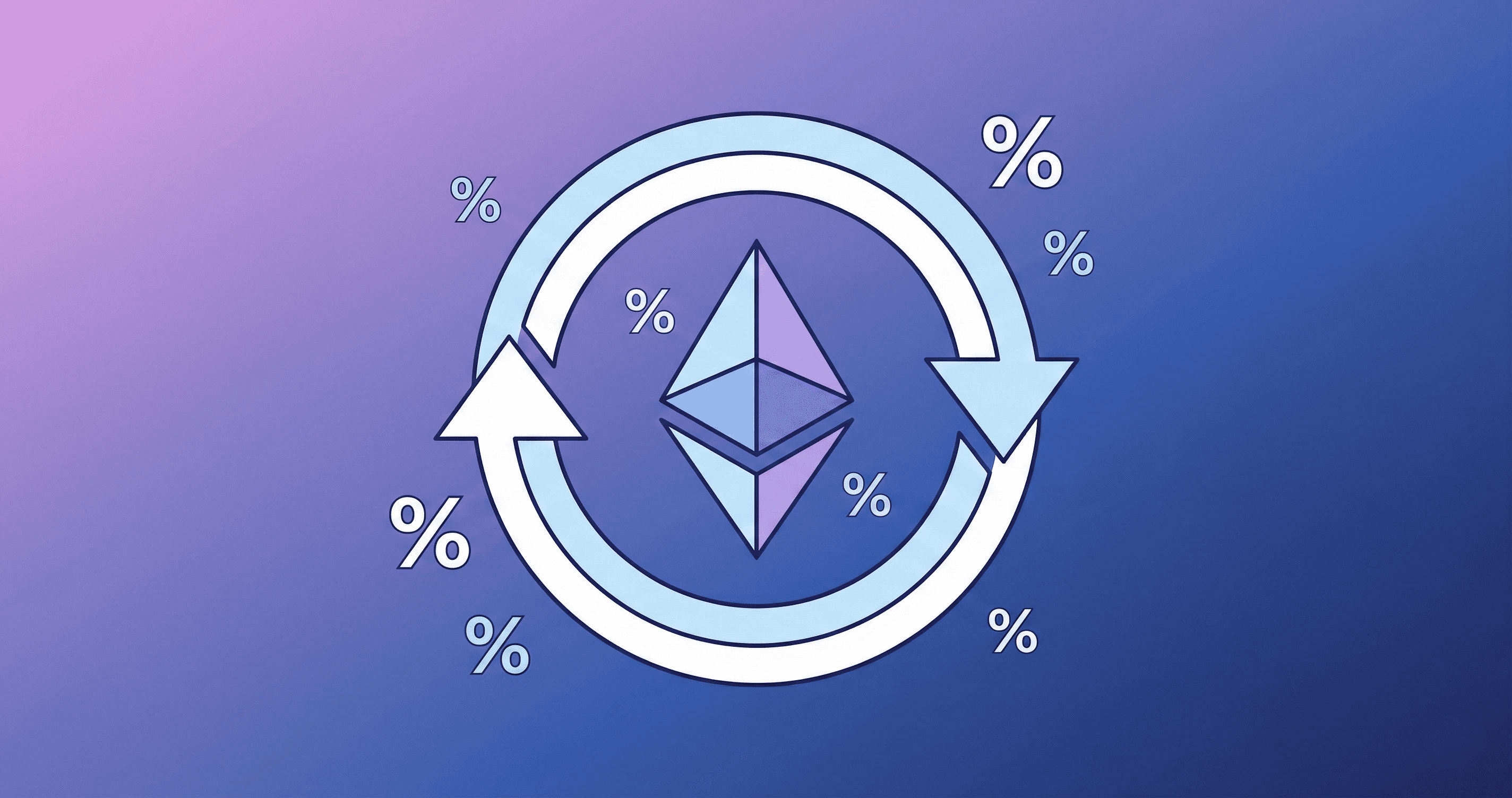
Ethereum Staking Yield in 2026: Complete Guide to Earning ETH Rewards
If you're holding Ethereum and not staking it, you're leaving money on the table.
Since the Merge in 2022, ETH holders have been able to earn yield simply by locking their tokens to help secure the network. Current staking yields range from 2% to 3% APY depending on how you stake, and the process has become simpler than ever.
This guide covers everything you need to know about Ethereum staking yield in 2026: current rates, how different methods compare, the real risks involved, and how to get started.
Current Ethereum Staking Yields (January 2026)
Staking yields vary based on your method. Here's what you can expect right now:
Method | Current APY | Minimum ETH | Liquidity |
|---|---|---|---|
Solo staking | 2.5-3.0% | 32 ETH | Locked |
Lido (stETH) | 2.4-2.6% | Any amount | Liquid |
Rocket Pool (rETH) | 2.3-2.5% | Any amount | Liquid |
Coinbase | 1.9-2.9% | Any amount | Semi-liquid |
Kraken | 2.0-2.8% | Any amount | Semi-liquid |
Solo staking offers the highest yields because there's no middleman taking a cut. Liquid staking protocols like Lido charge around 10% of your rewards as a fee, but you get a tradeable token (stETH) in return that you can use elsewhere in DeFi.
Exchange staking is the easiest option but typically offers lower yields and comes with counterparty risk.
How Ethereum Staking Works
When you stake ETH, you're participating in Ethereum's proof-of-stake consensus mechanism. Your staked tokens help validate transactions and secure the network. In return, you earn newly issued ETH as rewards.
The mechanics are straightforward:
Validators run software that proposes and attests to new blocks. Running a validator requires 32 ETH and technical knowledge. Validators earn rewards for correct attestations and proposals, but can lose ETH (slashing) for malicious behavior or extended downtime.
Delegators stake through pools or protocols. You don't run any software. Your ETH gets combined with other stakers' funds to operate validators. Rewards are distributed proportionally minus fees.
The total staking yield depends on how much ETH is staked network-wide. More stakers means lower individual rewards. Currently, about 28% of all ETH is staked, keeping yields in the 2-3% range.
Staking Methods Compared
Solo Staking
Best for: Technical users with 32+ ETH who want maximum yield and control.
You run your own validator node. This requires 32 ETH, a dedicated computer, stable internet, and technical knowledge. The upside is you keep 100% of rewards with no protocol fees.
The downside is rather insignificant: hardware costs, maintenance time, and slashing risk if your validator misbehaves or goes offline for extended periods. Most people shouldn't solo stake unless they're comfortable running infrastructure. Platforms like Dappnode make the process straightforward.
Yield: 2.5-3.0% APY
Liquid Staking (Lido, Rocket Pool)
Best for: Most users who want yield without lockup.
Liquid staking protocols let you stake any amount of ETH and receive a liquid token in return. Lido gives you stETH; Rocket Pool gives you rETH. These tokens represent your staked ETH plus accumulated rewards.
The major advantage: you can sell, trade, or use these tokens as collateral while still earning staking rewards. Many DeFi protocols accept stETH and rETH, so you can potentially earn additional yield on top of staking rewards.
Lido is the largest with about 25% of all staked ETH. Some consider this a centralization risk. Rocket Pool is more decentralized but has less liquidity.
Yield: 2.3-2.6% APY (after 10% protocol fee)
Exchange Staking (Coinbase, Kraken)
Best for: Beginners who prioritize simplicity over yield.
Major exchanges offer one-click staking. You keep your ETH on the exchange and toggle staking on. Withdrawals may take days or weeks depending on the platform.
The convenience comes with tradeoffs: lower yields (exchanges take larger cuts), counterparty risk (your ETH sits on the exchange), and potential regulatory issues. Kraken's staking program was shut down for US customers in 2023 before reopening under new terms.
Yield: 1.9-2.9% APY
ETH Staking vs Other Yield Options
How does ETH staking compare to other ways to earn yield?
Option | Typical Yield | Risk Level | Liquidity |
|---|---|---|---|
ETH staking | 2-3% | Medium | Variable |
High-yield savings | 3.5-4.5% | Low | High |
US 10-year Treasury | 4.6% | Very low | High |
DeFi lending (USDC) | 4-8% | Medium-high | High |
DeFi liquidity provision | 10-50%+ | High | Variable |
ETH staking vs high-yield savings: High-yield savings actually offer higher yields (3.5-4.5%) than ETH staking (2-3%), but ETH staking comes with price exposure to Ethereum. If ETH appreciates, your effective return is higher. If it drops, you could lose money despite earning yield. High-yield savings accounts are stable but capped at fiat returns.
ETH staking vs Treasuries: US Treasuries currently offer higher yields (4.6%) with near-zero risk but no upside potential. For investors who believe in Ethereum long-term, staking makes more sense despite lower yields. For those prioritizing capital preservation, treasuries win.
ETH staking vs DeFi: Higher DeFi yields come with smart contract risk, impermanent loss, and complexity. Staking is the safest way to earn yield on ETH.
Risks of Ethereum Staking
Staking isn't risk-free, but it is considered to be low-risk. Understand what you're signing up for:
Slashing risk: Validators can lose ETH for double-signing or extended downtime. With reputable staking providers, this risk is minimal but not zero. Lido and Rocket Pool have insurance mechanisms.
Smart contract risk: Liquid staking protocols are smart contracts. A bug or exploit could result in loss of funds. Major protocols have been audited extensively, but the risk exists.
Price risk: If ETH price drops 50%, your staked position is down 50% regardless of yield earned. Staking doesn't protect against market downturns.
Liquidity risk (solo staking): Withdrawals can take days to weeks during high-demand periods (although currently the exit queue is immediate due to lack of people exiting). Liquid staking tokens can trade at discounts during market stress.
Regulatory risk: Staking services have faced regulatory scrutiny. Rules could change, affecting yields or access.
How to Start Staking Ethereum
Here's the practical path to earning ETH staking yield:
Option 1: Liquid Staking (Recommended for most)
Get ETH in a self-custody wallet (MetaMask, Rainbow, etc.)
Choose a protocol - Lido (stETH) for liquidity, Rocket Pool (rETH) for decentralization
Visit the protocol's app and connect your wallet
Deposit ETH and receive liquid staking tokens
Hold or use your stETH/rETH - rewards accrue automatically
Your liquid staking tokens appreciate in value relative to ETH as rewards accumulate. When you want to exit, swap them back to ETH on a DEX.
Option 2: Exchange Staking (Simplest)
Transfer ETH to Coinbase, Kraken, or similar
Enable staking in account settings
Wait for rewards to accumulate
Withdrawals may have waiting periods. Read the terms before committing.
Option 3: Yield Aggregation
Platforms like Pistachio.fi aggregate staking options and can help you find the best yields across protocols. This is useful if you want to compare rates or don't want to manage multiple staking positions manually.
Maximizing Your ETH Staking Yield
A few strategies to optimize returns:
Compound your rewards. If using liquid staking, periodically convert accumulated stETH/rETH back to more staking. The effect is small but adds up.
Stack yields. Use liquid staking tokens as collateral to borrow stablecoins, then redeploy those stablecoins for additional yield. This increases risk but can boost effective APY significantly.
Tax-loss harvest. If your staking position is at a loss during a downturn, selling and rebuying (within tax rules) can offset gains elsewhere.
Monitor rates. Yields fluctuate. Consider moving between providers if significant rate differences emerge, though gas costs and exit periods may eat into gains.
The Bottom Line
Ethereum staking yield in 2026 hovers between 2-3% APY, with your exact return depending on how you stake. Liquid staking offers the best balance of yield and flexibility for most users. Solo staking maximizes returns but requires technical commitment. Exchange staking sacrifices yield for convenience.
The bigger question isn't whether to stake, but how much ETH price exposure you want. If you're holding ETH anyway, staking makes sense. If you're looking for stable yield without crypto volatility, traditional options like high-yield savings or treasuries may be more appropriate.
For those who want the best of both worlds - crypto yield with diversified options - Pistachio.fi lets you compare staking rates across protocols and manage positions in one place.
Pistachio.fi helps you earn yield on your crypto with transparent rates and automated strategies. Explore ETH staking options today.
Ethereum Staking Yield in 2026: Complete Guide to Earning ETH Rewards
If you're holding Ethereum and not staking it, you're leaving money on the table.
Since the Merge in 2022, ETH holders have been able to earn yield simply by locking their tokens to help secure the network. Current staking yields range from 2% to 3% APY depending on how you stake, and the process has become simpler than ever.
This guide covers everything you need to know about Ethereum staking yield in 2026: current rates, how different methods compare, the real risks involved, and how to get started.
Current Ethereum Staking Yields (January 2026)
Staking yields vary based on your method. Here's what you can expect right now:
Method | Current APY | Minimum ETH | Liquidity |
|---|---|---|---|
Solo staking | 2.5-3.0% | 32 ETH | Locked |
Lido (stETH) | 2.4-2.6% | Any amount | Liquid |
Rocket Pool (rETH) | 2.3-2.5% | Any amount | Liquid |
Coinbase | 1.9-2.9% | Any amount | Semi-liquid |
Kraken | 2.0-2.8% | Any amount | Semi-liquid |
Solo staking offers the highest yields because there's no middleman taking a cut. Liquid staking protocols like Lido charge around 10% of your rewards as a fee, but you get a tradeable token (stETH) in return that you can use elsewhere in DeFi.
Exchange staking is the easiest option but typically offers lower yields and comes with counterparty risk.
How Ethereum Staking Works
When you stake ETH, you're participating in Ethereum's proof-of-stake consensus mechanism. Your staked tokens help validate transactions and secure the network. In return, you earn newly issued ETH as rewards.
The mechanics are straightforward:
Validators run software that proposes and attests to new blocks. Running a validator requires 32 ETH and technical knowledge. Validators earn rewards for correct attestations and proposals, but can lose ETH (slashing) for malicious behavior or extended downtime.
Delegators stake through pools or protocols. You don't run any software. Your ETH gets combined with other stakers' funds to operate validators. Rewards are distributed proportionally minus fees.
The total staking yield depends on how much ETH is staked network-wide. More stakers means lower individual rewards. Currently, about 28% of all ETH is staked, keeping yields in the 2-3% range.
Staking Methods Compared
Solo Staking
Best for: Technical users with 32+ ETH who want maximum yield and control.
You run your own validator node. This requires 32 ETH, a dedicated computer, stable internet, and technical knowledge. The upside is you keep 100% of rewards with no protocol fees.
The downside is rather insignificant: hardware costs, maintenance time, and slashing risk if your validator misbehaves or goes offline for extended periods. Most people shouldn't solo stake unless they're comfortable running infrastructure. Platforms like Dappnode make the process straightforward.
Yield: 2.5-3.0% APY
Liquid Staking (Lido, Rocket Pool)
Best for: Most users who want yield without lockup.
Liquid staking protocols let you stake any amount of ETH and receive a liquid token in return. Lido gives you stETH; Rocket Pool gives you rETH. These tokens represent your staked ETH plus accumulated rewards.
The major advantage: you can sell, trade, or use these tokens as collateral while still earning staking rewards. Many DeFi protocols accept stETH and rETH, so you can potentially earn additional yield on top of staking rewards.
Lido is the largest with about 25% of all staked ETH. Some consider this a centralization risk. Rocket Pool is more decentralized but has less liquidity.
Yield: 2.3-2.6% APY (after 10% protocol fee)
Exchange Staking (Coinbase, Kraken)
Best for: Beginners who prioritize simplicity over yield.
Major exchanges offer one-click staking. You keep your ETH on the exchange and toggle staking on. Withdrawals may take days or weeks depending on the platform.
The convenience comes with tradeoffs: lower yields (exchanges take larger cuts), counterparty risk (your ETH sits on the exchange), and potential regulatory issues. Kraken's staking program was shut down for US customers in 2023 before reopening under new terms.
Yield: 1.9-2.9% APY
ETH Staking vs Other Yield Options
How does ETH staking compare to other ways to earn yield?
Option | Typical Yield | Risk Level | Liquidity |
|---|---|---|---|
ETH staking | 2-3% | Medium | Variable |
High-yield savings | 3.5-4.5% | Low | High |
US 10-year Treasury | 4.6% | Very low | High |
DeFi lending (USDC) | 4-8% | Medium-high | High |
DeFi liquidity provision | 10-50%+ | High | Variable |
ETH staking vs high-yield savings: High-yield savings actually offer higher yields (3.5-4.5%) than ETH staking (2-3%), but ETH staking comes with price exposure to Ethereum. If ETH appreciates, your effective return is higher. If it drops, you could lose money despite earning yield. High-yield savings accounts are stable but capped at fiat returns.
ETH staking vs Treasuries: US Treasuries currently offer higher yields (4.6%) with near-zero risk but no upside potential. For investors who believe in Ethereum long-term, staking makes more sense despite lower yields. For those prioritizing capital preservation, treasuries win.
ETH staking vs DeFi: Higher DeFi yields come with smart contract risk, impermanent loss, and complexity. Staking is the safest way to earn yield on ETH.
Risks of Ethereum Staking
Staking isn't risk-free, but it is considered to be low-risk. Understand what you're signing up for:
Slashing risk: Validators can lose ETH for double-signing or extended downtime. With reputable staking providers, this risk is minimal but not zero. Lido and Rocket Pool have insurance mechanisms.
Smart contract risk: Liquid staking protocols are smart contracts. A bug or exploit could result in loss of funds. Major protocols have been audited extensively, but the risk exists.
Price risk: If ETH price drops 50%, your staked position is down 50% regardless of yield earned. Staking doesn't protect against market downturns.
Liquidity risk (solo staking): Withdrawals can take days to weeks during high-demand periods (although currently the exit queue is immediate due to lack of people exiting). Liquid staking tokens can trade at discounts during market stress.
Regulatory risk: Staking services have faced regulatory scrutiny. Rules could change, affecting yields or access.
How to Start Staking Ethereum
Here's the practical path to earning ETH staking yield:
Option 1: Liquid Staking (Recommended for most)
Get ETH in a self-custody wallet (MetaMask, Rainbow, etc.)
Choose a protocol - Lido (stETH) for liquidity, Rocket Pool (rETH) for decentralization
Visit the protocol's app and connect your wallet
Deposit ETH and receive liquid staking tokens
Hold or use your stETH/rETH - rewards accrue automatically
Your liquid staking tokens appreciate in value relative to ETH as rewards accumulate. When you want to exit, swap them back to ETH on a DEX.
Option 2: Exchange Staking (Simplest)
Transfer ETH to Coinbase, Kraken, or similar
Enable staking in account settings
Wait for rewards to accumulate
Withdrawals may have waiting periods. Read the terms before committing.
Option 3: Yield Aggregation
Platforms like Pistachio.fi aggregate staking options and can help you find the best yields across protocols. This is useful if you want to compare rates or don't want to manage multiple staking positions manually.
Maximizing Your ETH Staking Yield
A few strategies to optimize returns:
Compound your rewards. If using liquid staking, periodically convert accumulated stETH/rETH back to more staking. The effect is small but adds up.
Stack yields. Use liquid staking tokens as collateral to borrow stablecoins, then redeploy those stablecoins for additional yield. This increases risk but can boost effective APY significantly.
Tax-loss harvest. If your staking position is at a loss during a downturn, selling and rebuying (within tax rules) can offset gains elsewhere.
Monitor rates. Yields fluctuate. Consider moving between providers if significant rate differences emerge, though gas costs and exit periods may eat into gains.
The Bottom Line
Ethereum staking yield in 2026 hovers between 2-3% APY, with your exact return depending on how you stake. Liquid staking offers the best balance of yield and flexibility for most users. Solo staking maximizes returns but requires technical commitment. Exchange staking sacrifices yield for convenience.
The bigger question isn't whether to stake, but how much ETH price exposure you want. If you're holding ETH anyway, staking makes sense. If you're looking for stable yield without crypto volatility, traditional options like high-yield savings or treasuries may be more appropriate.
For those who want the best of both worlds - crypto yield with diversified options - Pistachio.fi lets you compare staking rates across protocols and manage positions in one place.
Pistachio.fi helps you earn yield on your crypto with transparent rates and automated strategies. Explore ETH staking options today.

Cross-chain crypto swaps: how Li.Fi powers Pistachio's one-tap zaps (2026)

Etherfuse stablebonds: earn government bond yields on-chain (2026)
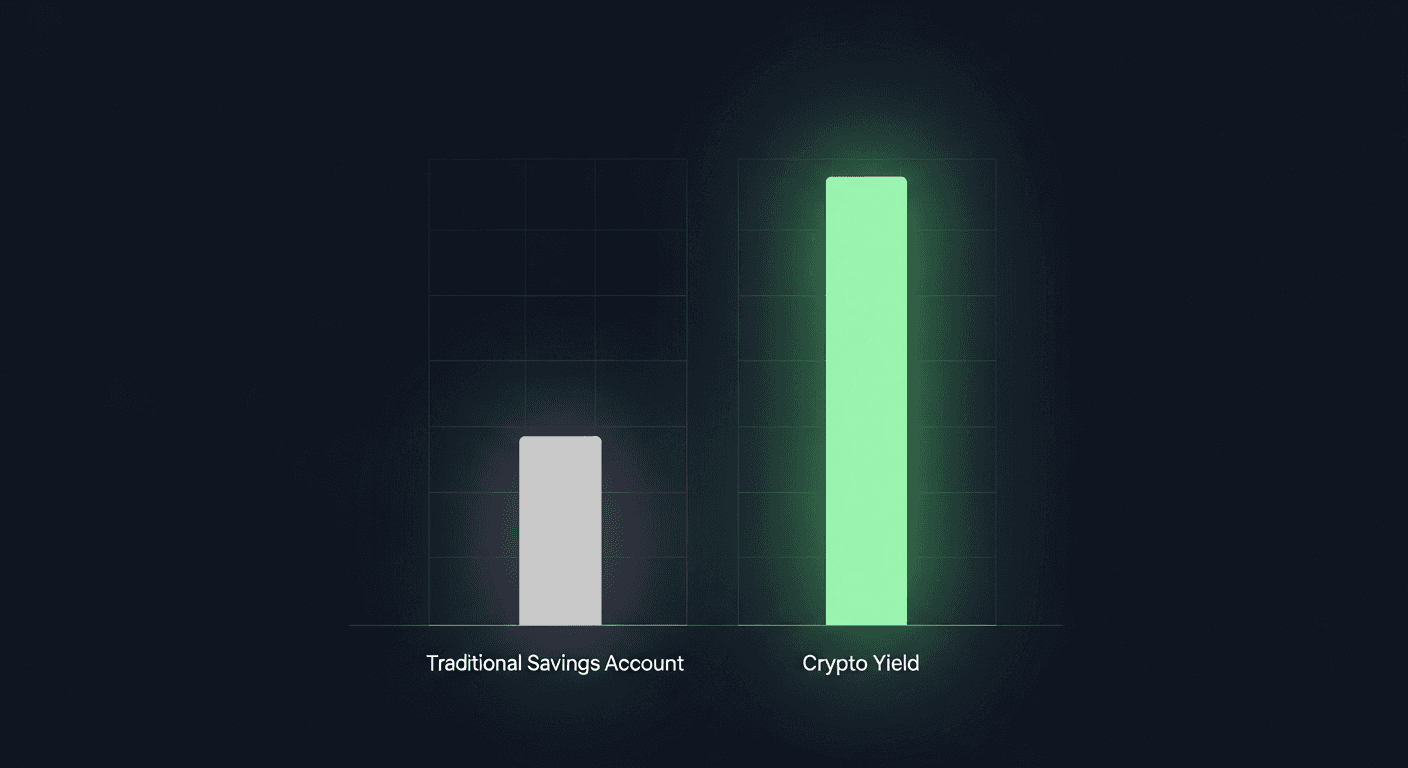
How to earn money online in 2026 (crypto yield vs. the rest)
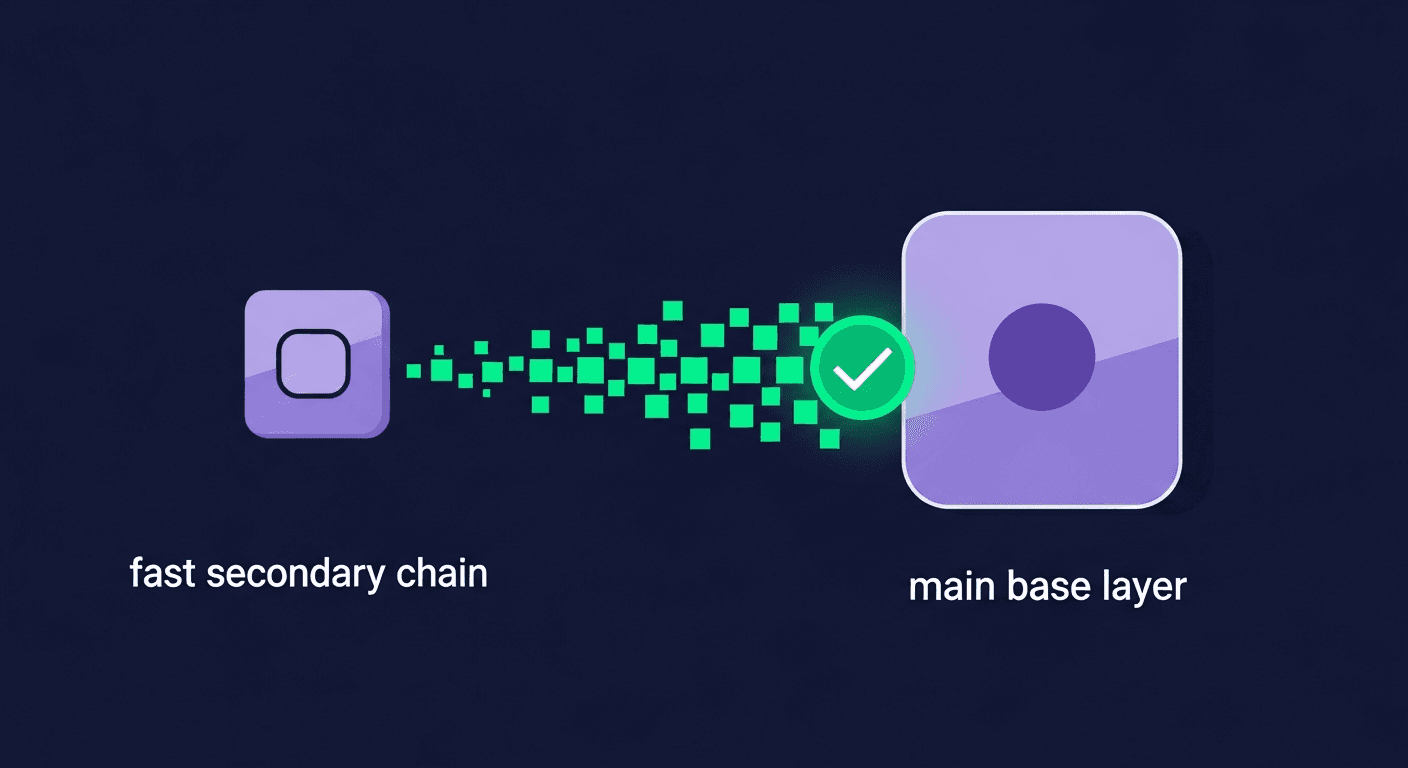
Linea crypto explained: what it is and how it works (2026)

Ethereum wallet guide 2026 (ethernet wallet explained)
DeFi Staking with Stader Labs: How ETHx Works in 2026

High-liquidity crypto exchanges: PancakeSwap guide 2026

What is Raydium? How Solana's AMM Works in 2026

Passive Income Ideas for 2026: 10 Ways That Actually Work

Hong Kong crypto news 2026: licenses, stablecoins, and regulation
©2026 Copyright, PistachioFi Inc.
©2026 Copyright, PistachioFi Inc.
©2026 Copyright, PistachioFi Inc.